Car Rental Uganda
Reliable car rental in Uganda for self-drive, airport pickup, safari routes and long-term hire.
Learn More →
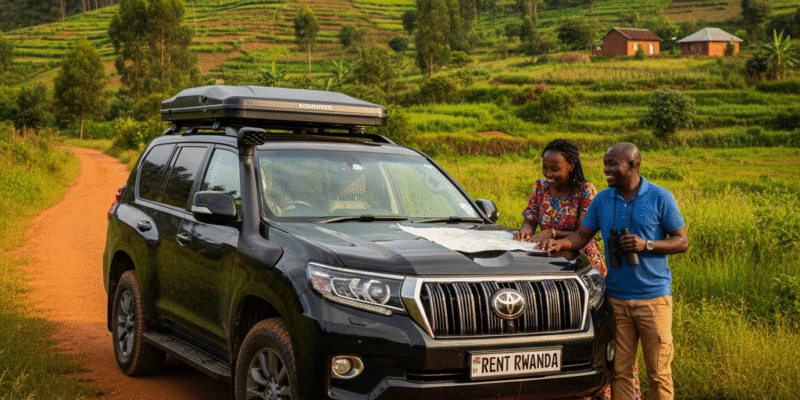
Self-drive and chauffeur-driven car rentals, airport transfers, safari cars, gorilla trekking transport and tailor-made tourism experiences across Uganda and Rwanda.
Turiken Tours & Car Rentals is a Uganda-based car rental and travel company with a branch in Rwanda. We provide reliable 4x4 car hire, airport transfers, chauffeur services, driver-guides and safari transport for travelers, NGOs, families, business visitors and tour groups.
Whether you are planning a self-drive adventure, gorilla trekking holiday, Rwanda road trip, business movement, airport pickup or long-stay rental, we help you choose the right car, understand the route and travel with confidence.
Learn More About Us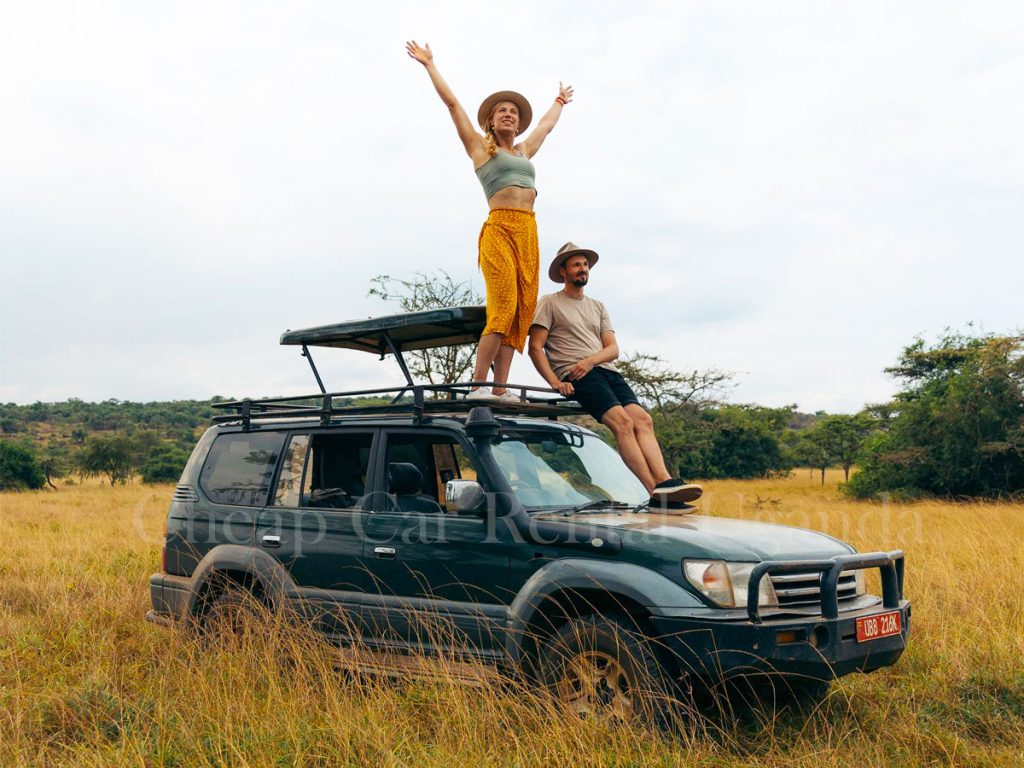
Choose simple car hire, guided safari transport, airport pickup, business travel support or a complete Uganda-Rwanda tour package.
Reliable car rental in Uganda for self-drive, airport pickup, safari routes and long-term hire.
Learn More →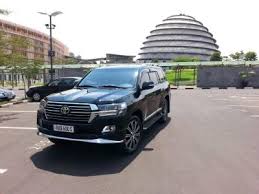
Flexible Rwanda car hire for Kigali airport pickup, self-drive, safari routes and guided travel.
Learn More →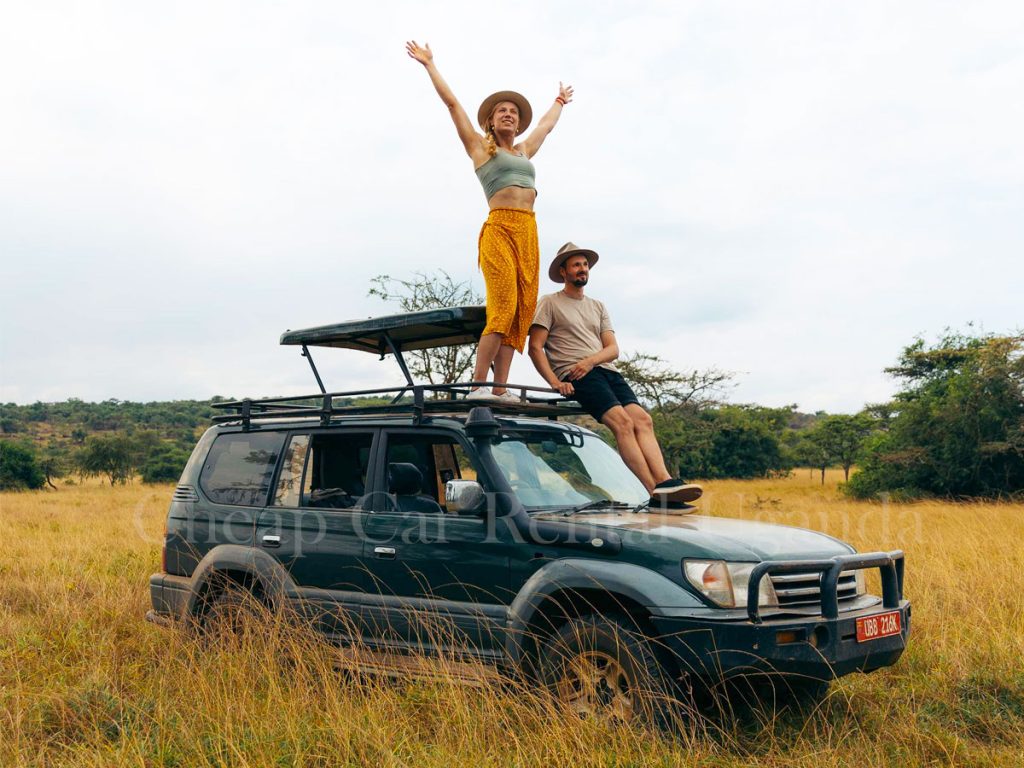
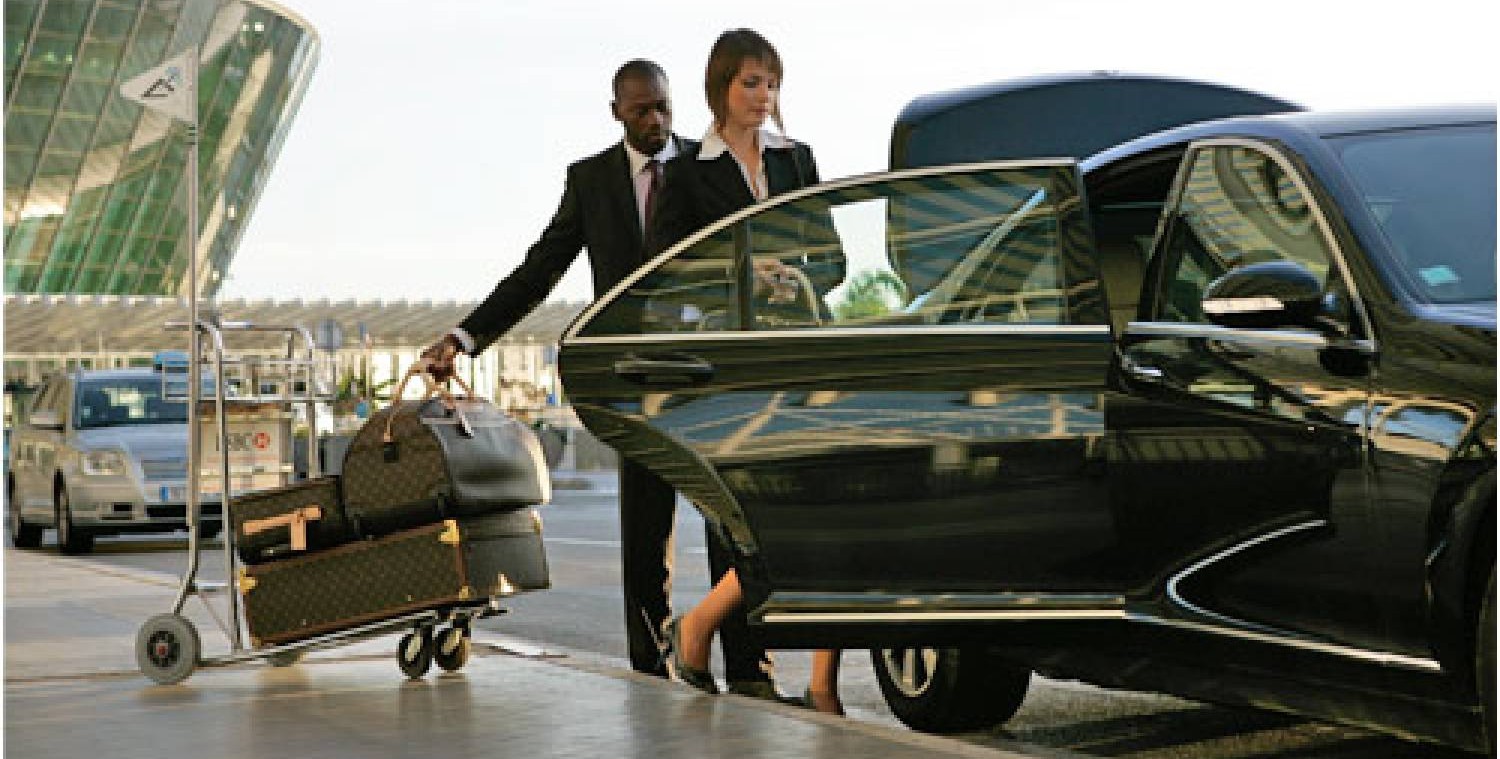
Professional local drivers and driver-guides for business, airport and safari travel.
Learn More →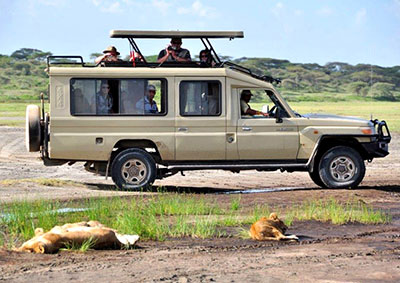
Strong 4x4 vehicles for national parks, gorilla trekking roads and remote lodges.
Learn More →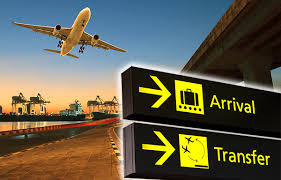
Reliable Entebbe, Kampala and Kigali airport pickup and drop-off services.
Learn More →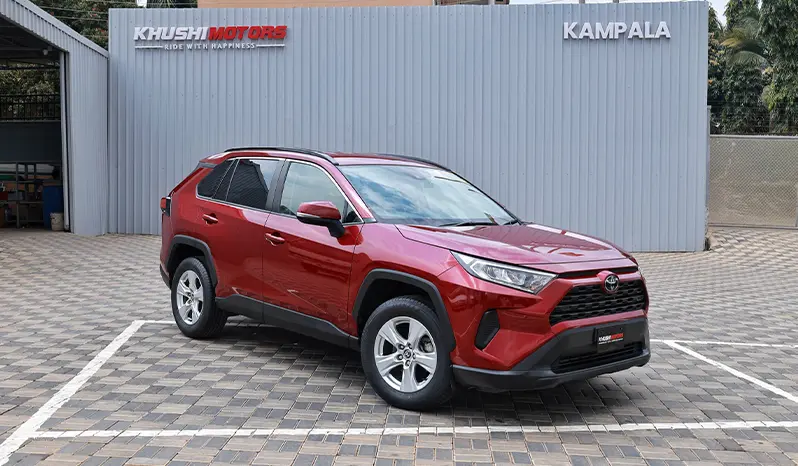
Budget self-drive, city travel and light countryside routes.
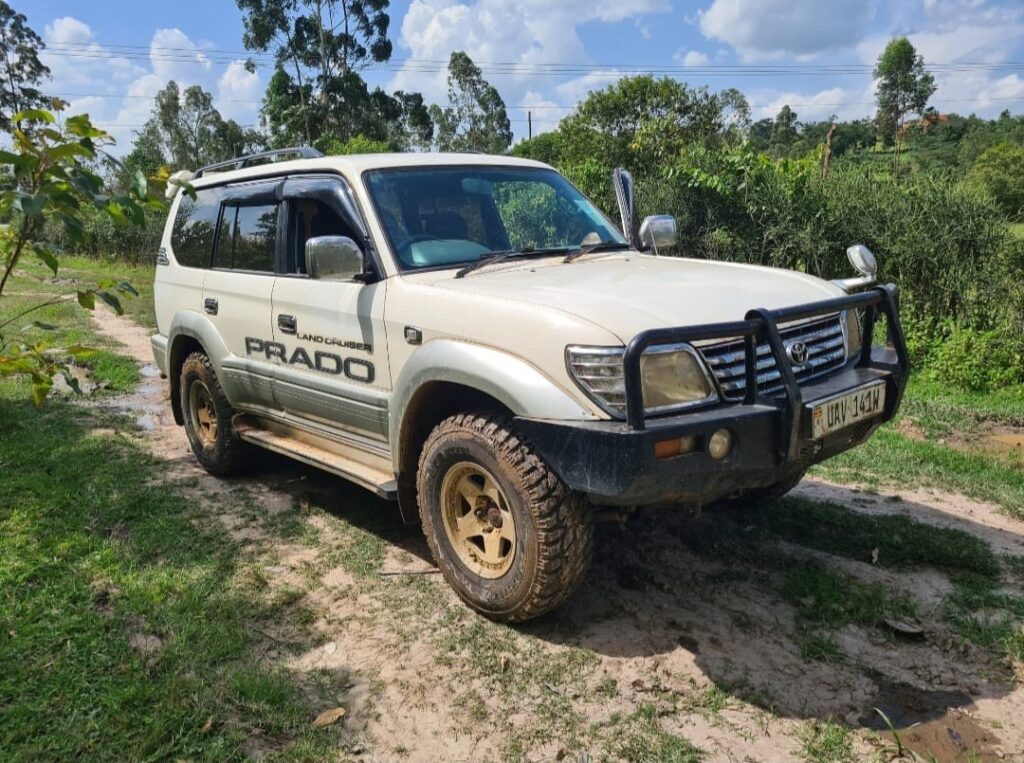
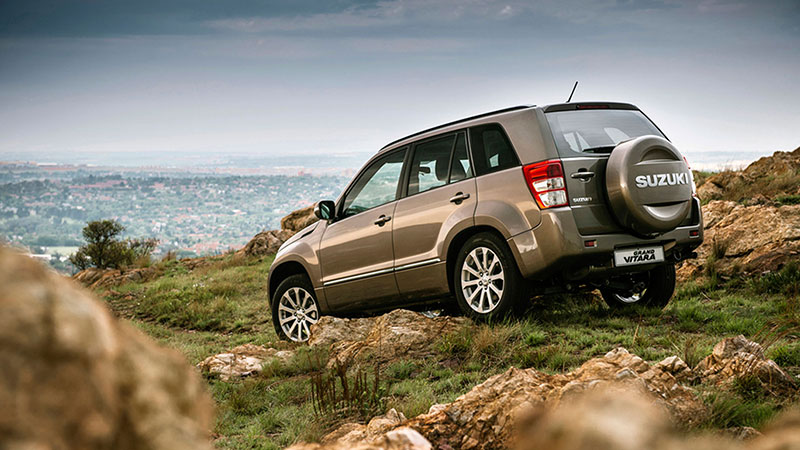
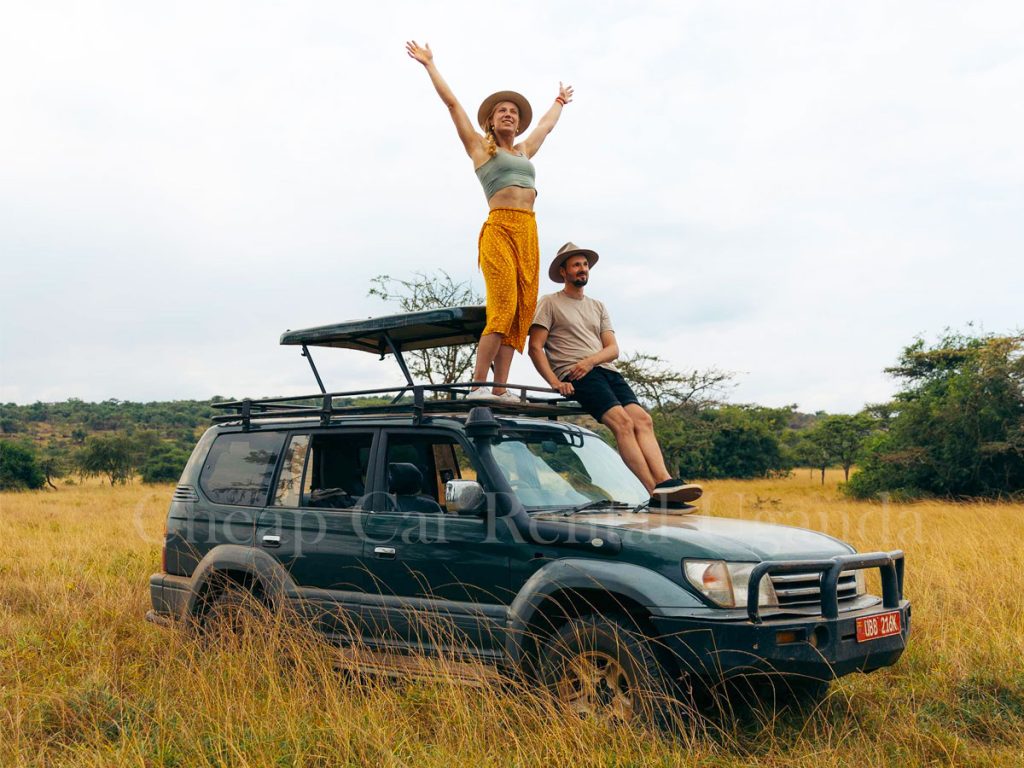
Best all-round safari car for Uganda and Rwanda parks.
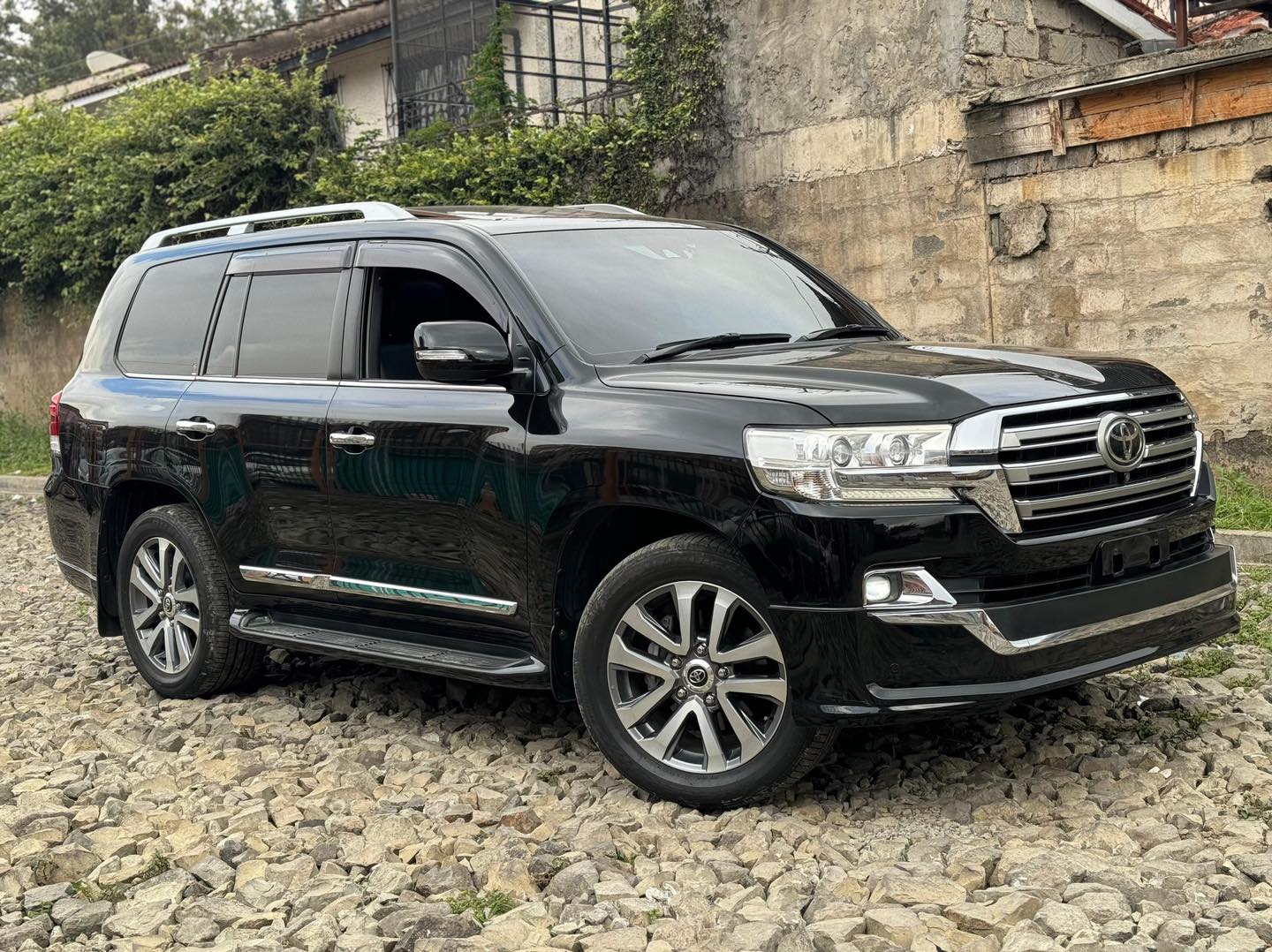
Comfortable executive and luxury long-distance safari travel.
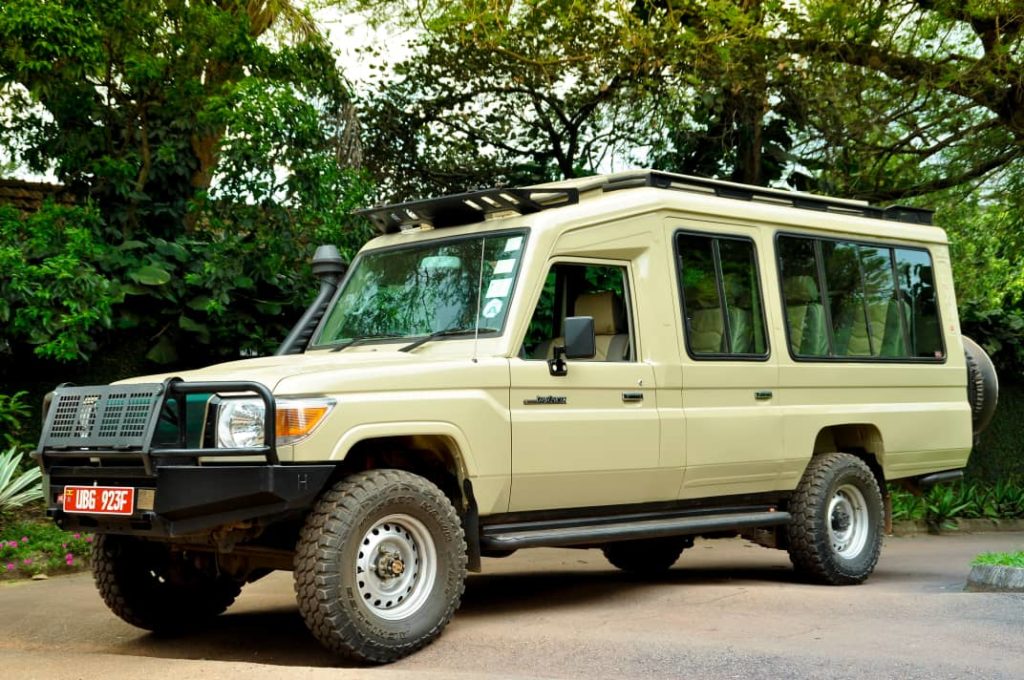
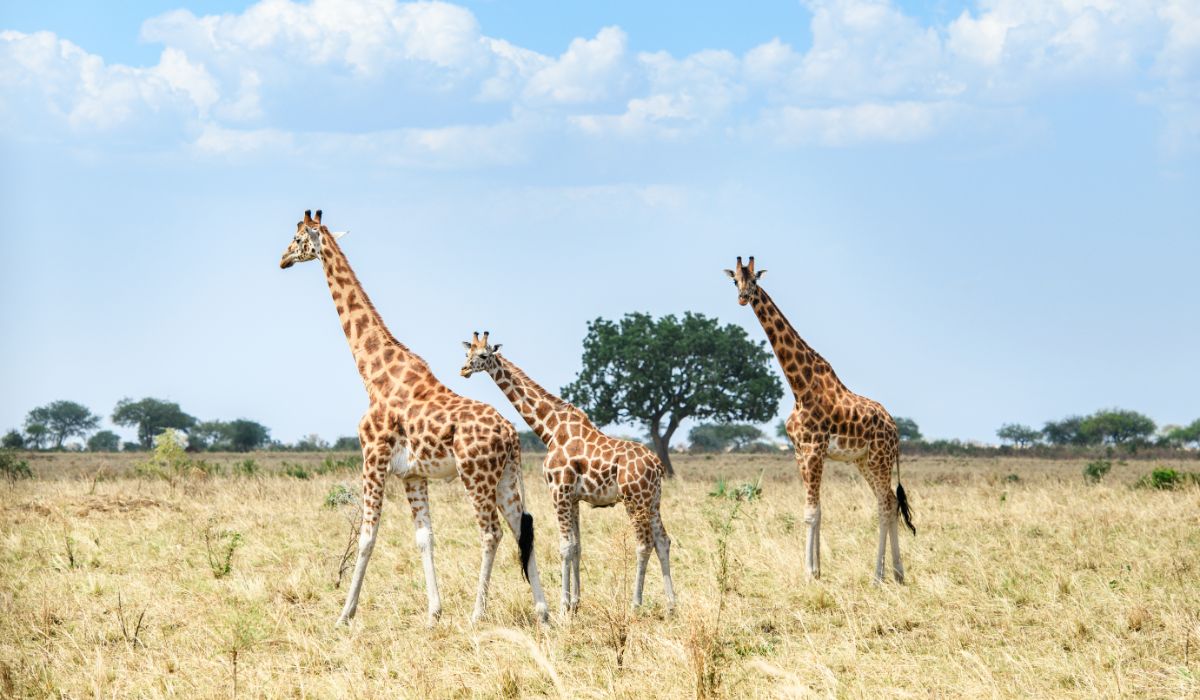
Game drives, photography safaris and guided tours.
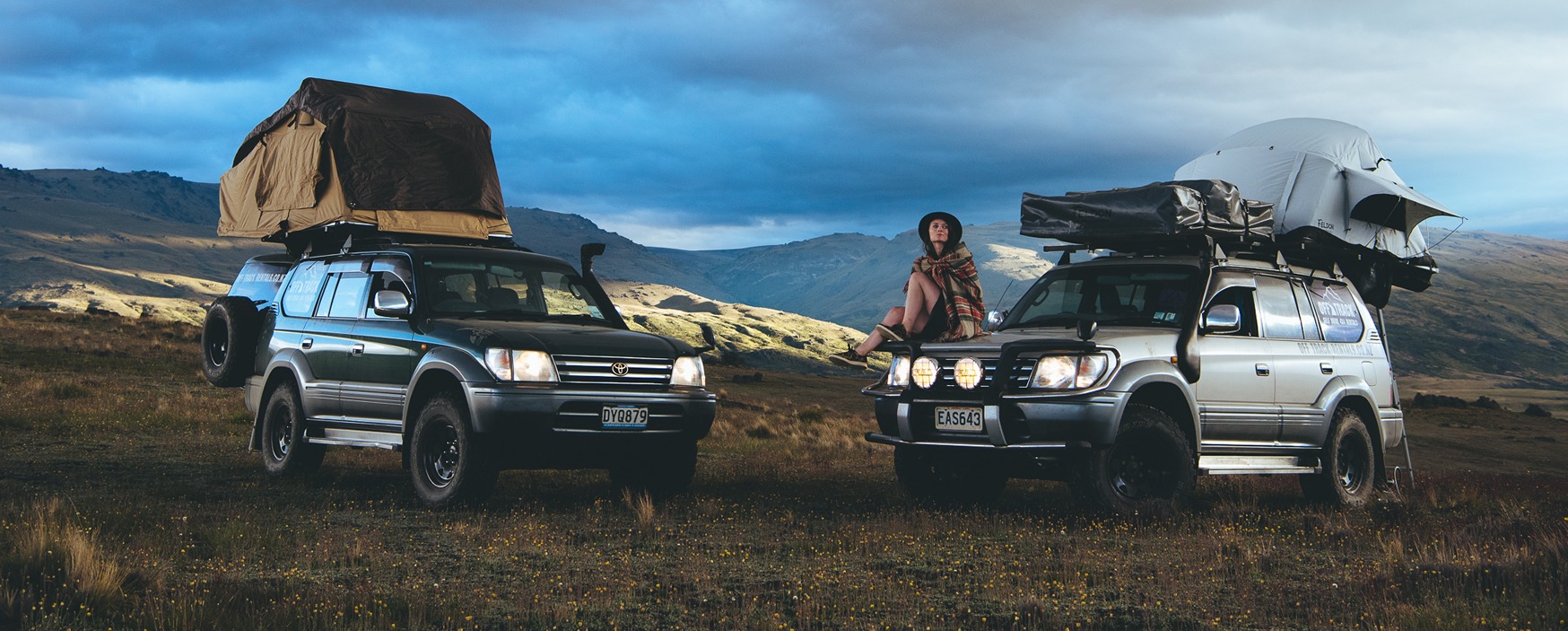
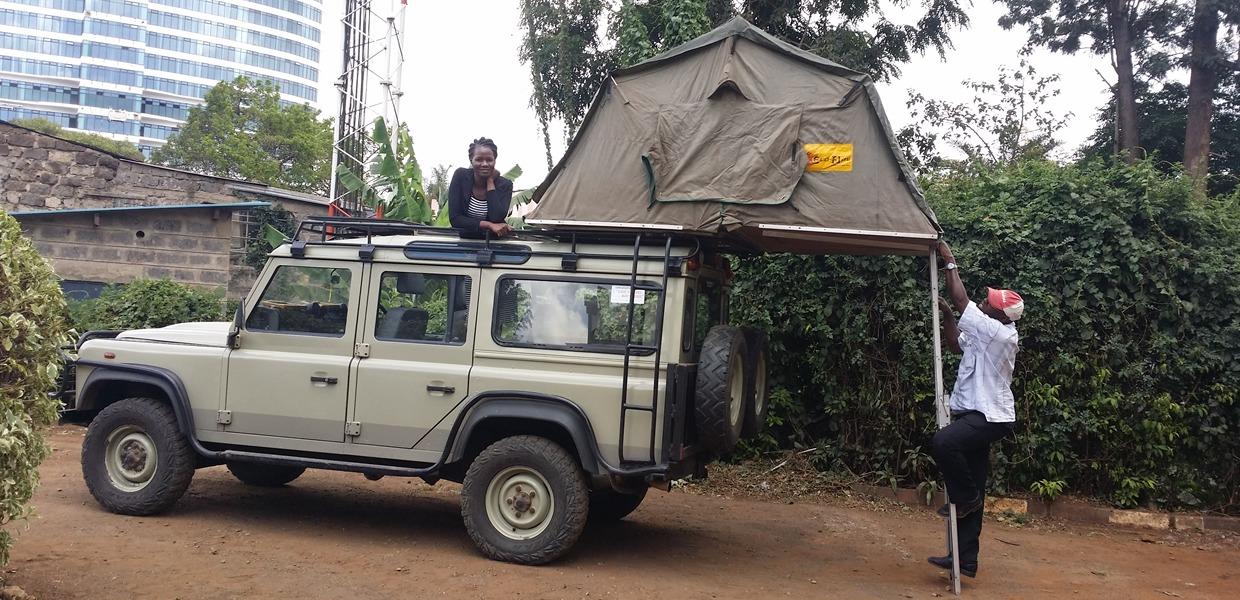
Camping safaris and independent adventure travel.
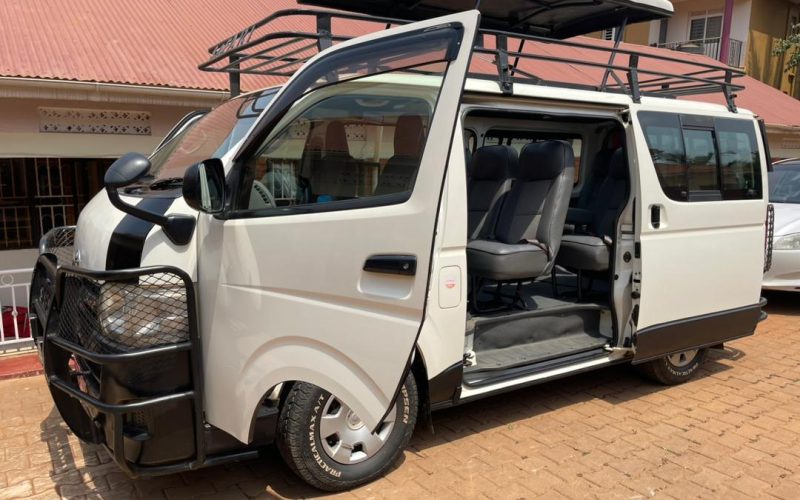
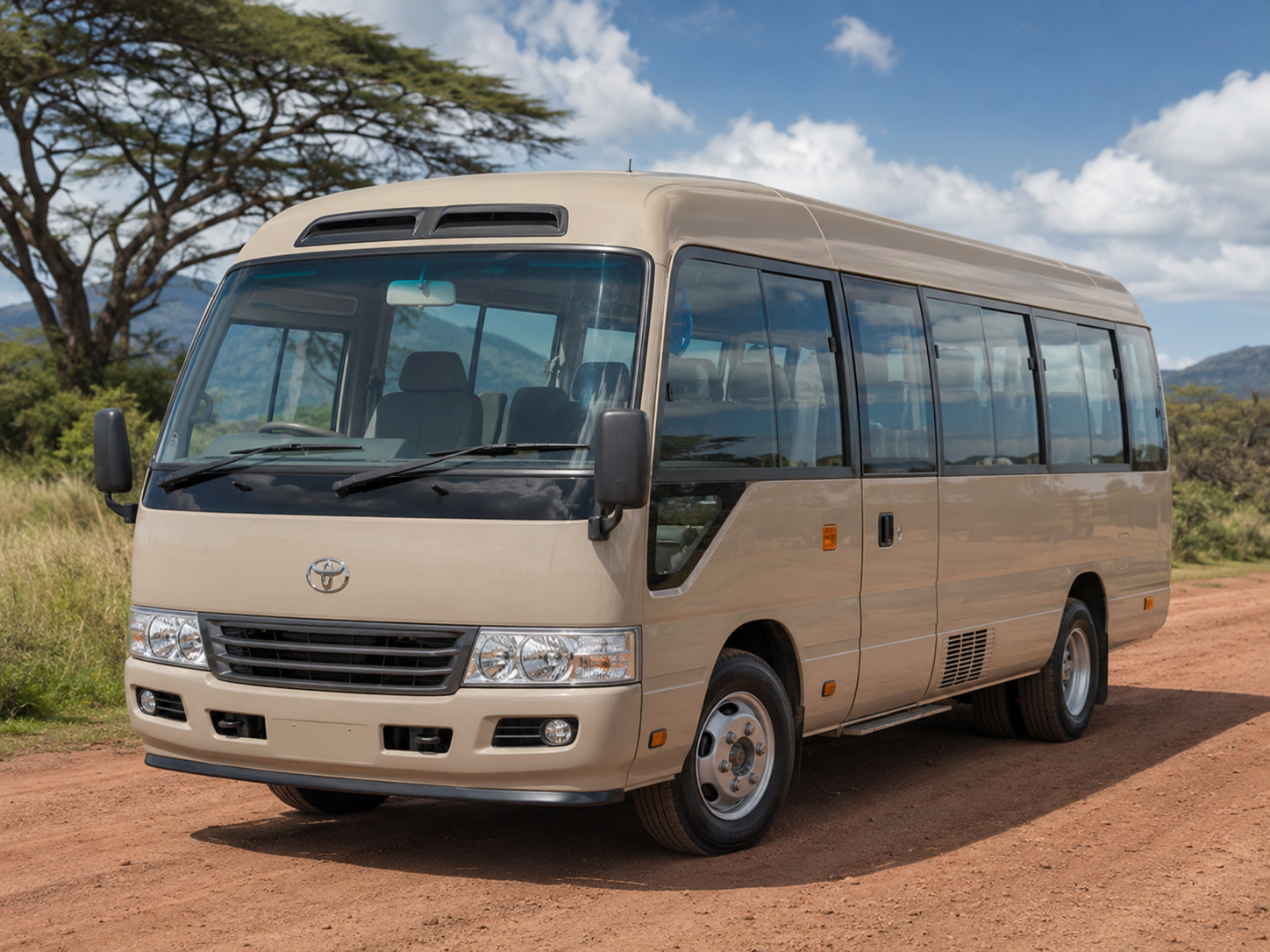
Large group transfers, events and conference movements.
Premium off-road travel, rugged safari routes and stylish touring.
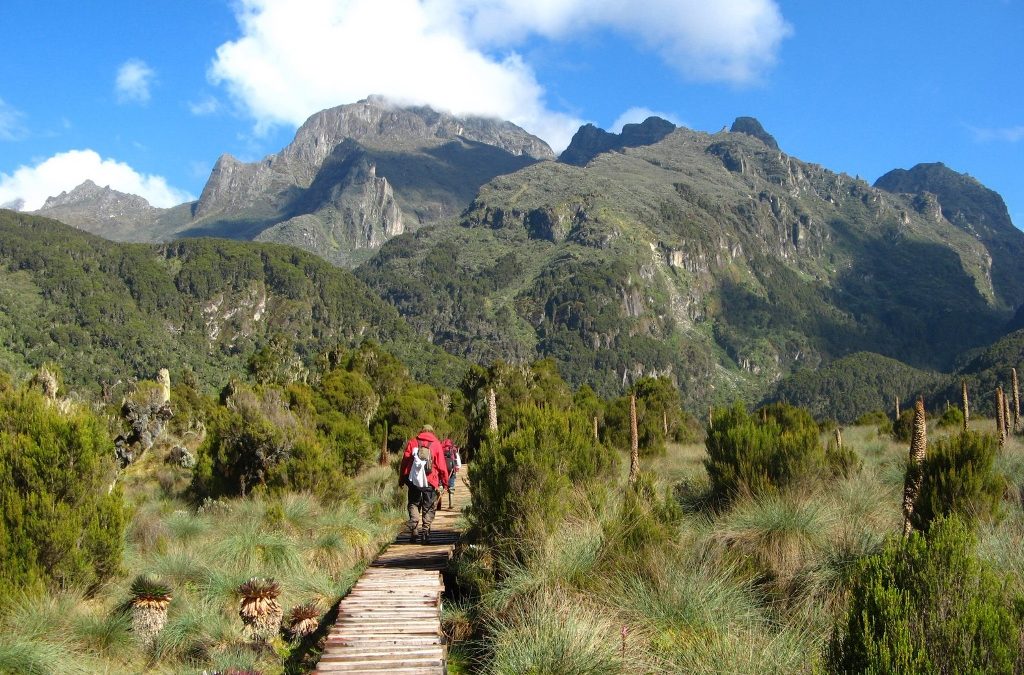
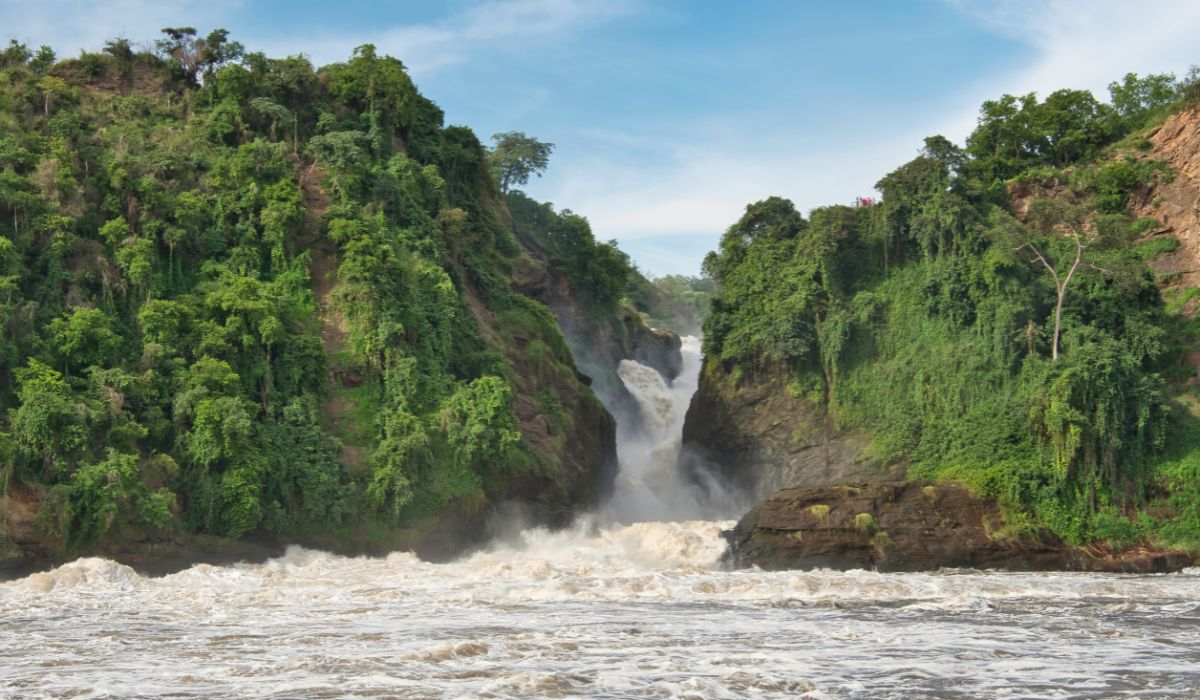
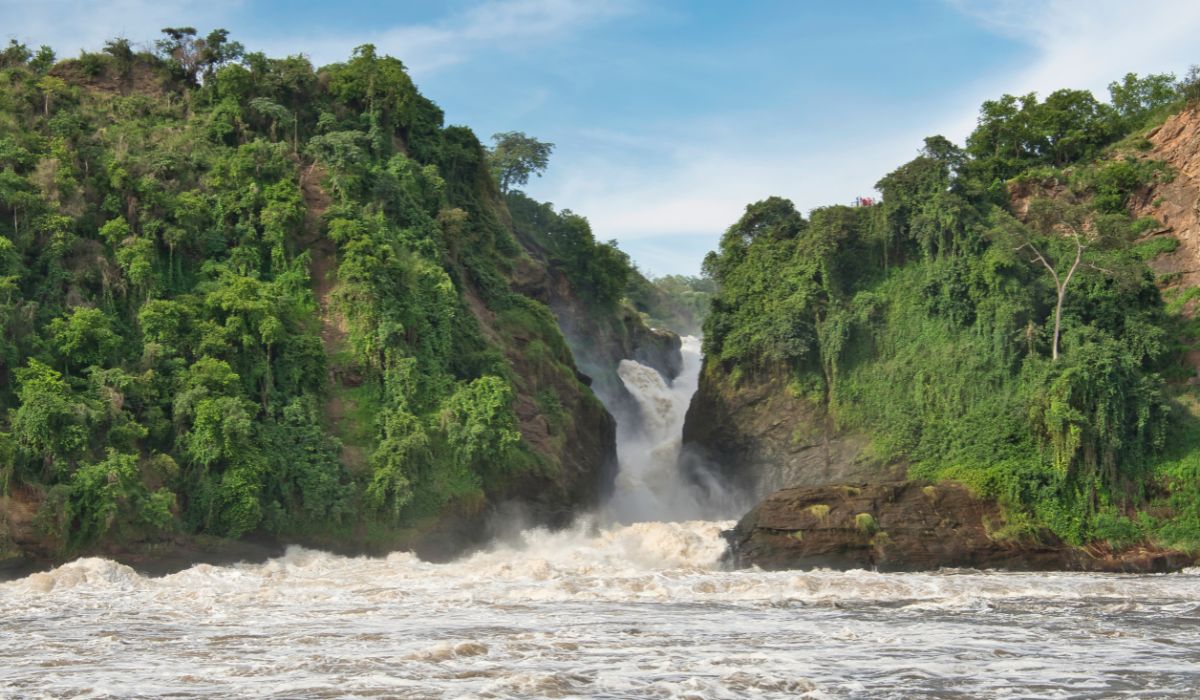
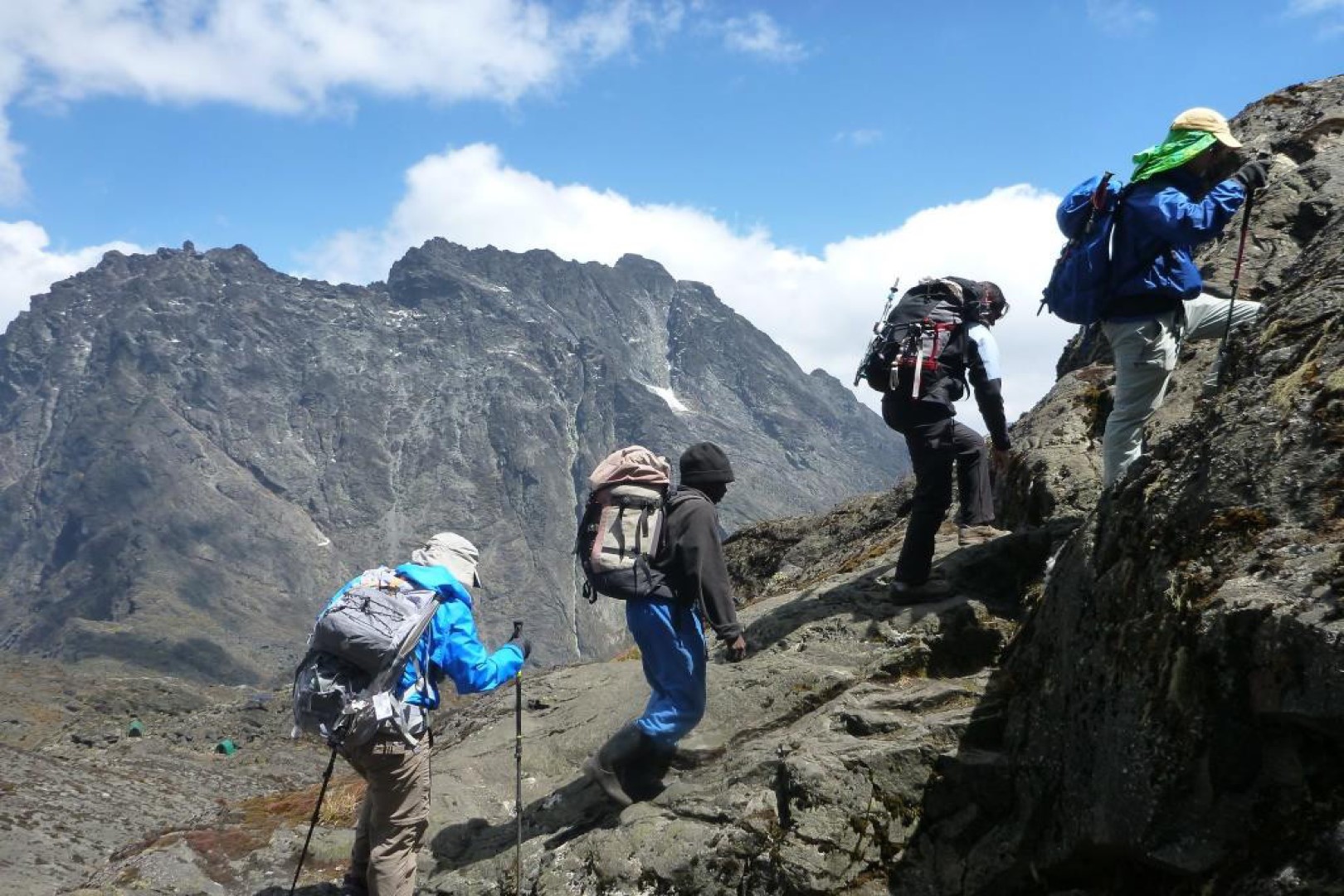
Uganda: Bwindi, Queen Elizabeth, Murchison Falls, Kibale, Lake Mburo, Kidepo, Rwenzori, Mgahinga and more.
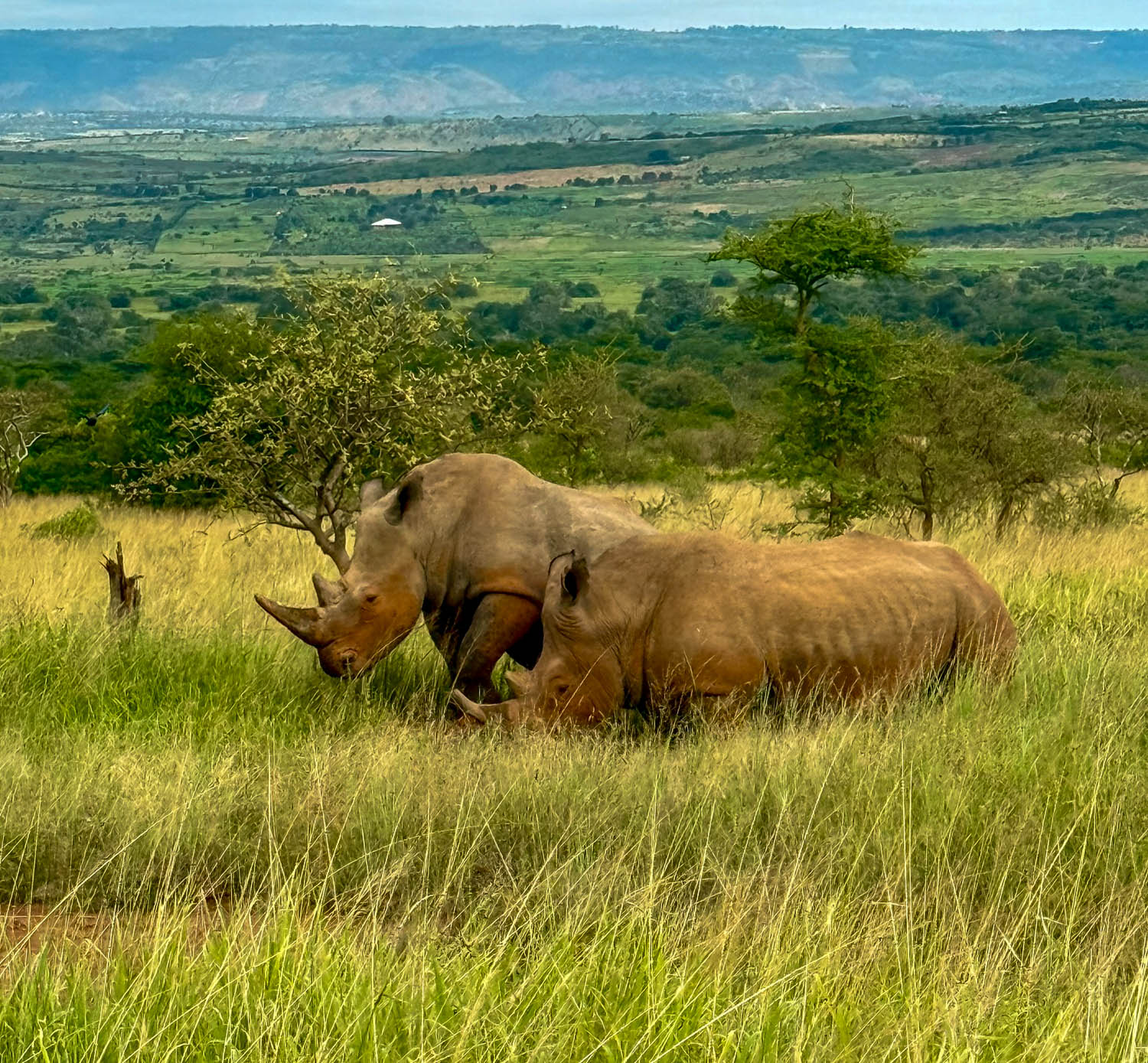
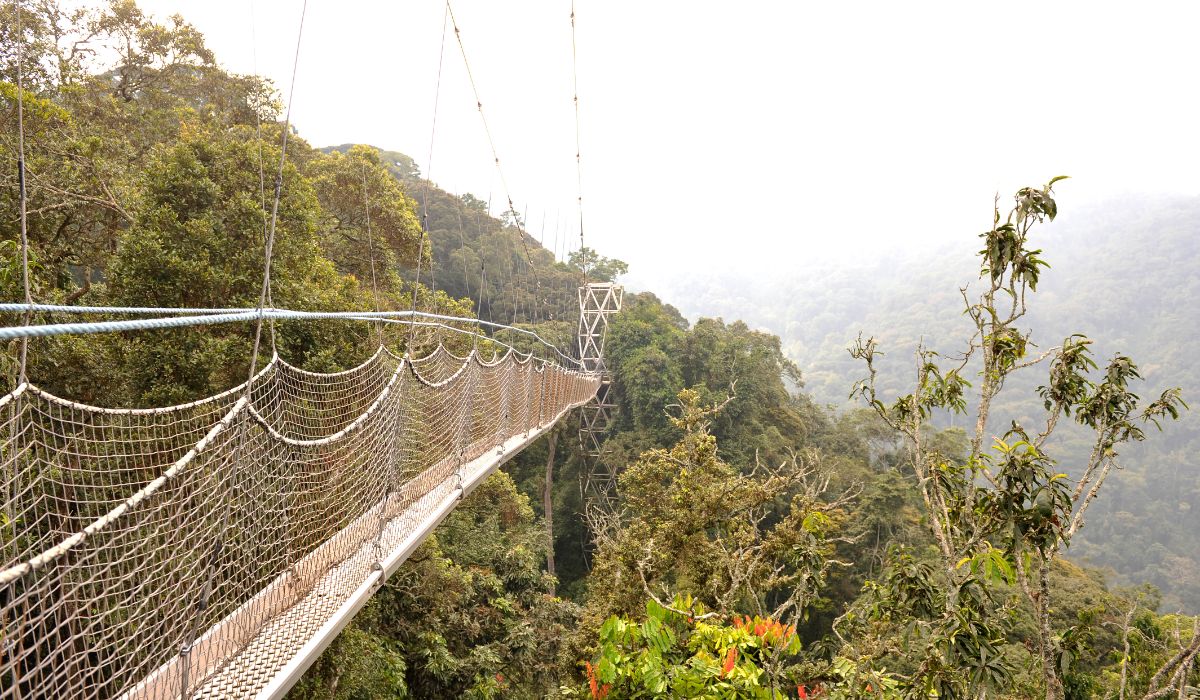
Rwanda: Volcanoes, Akagera, Nyungwe, Gishwati-Mukura, Kigali City Tour and wetland birding routes.
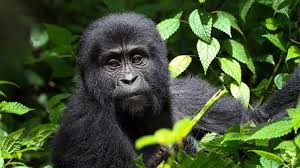
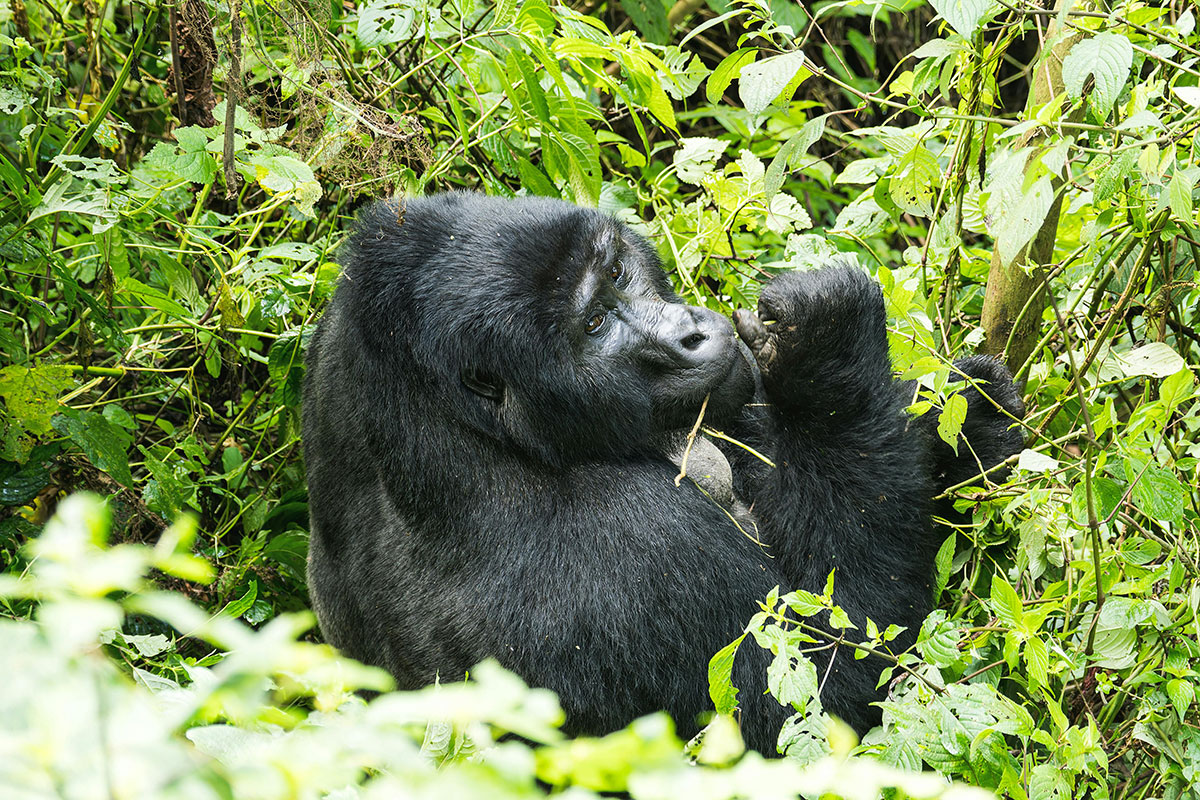
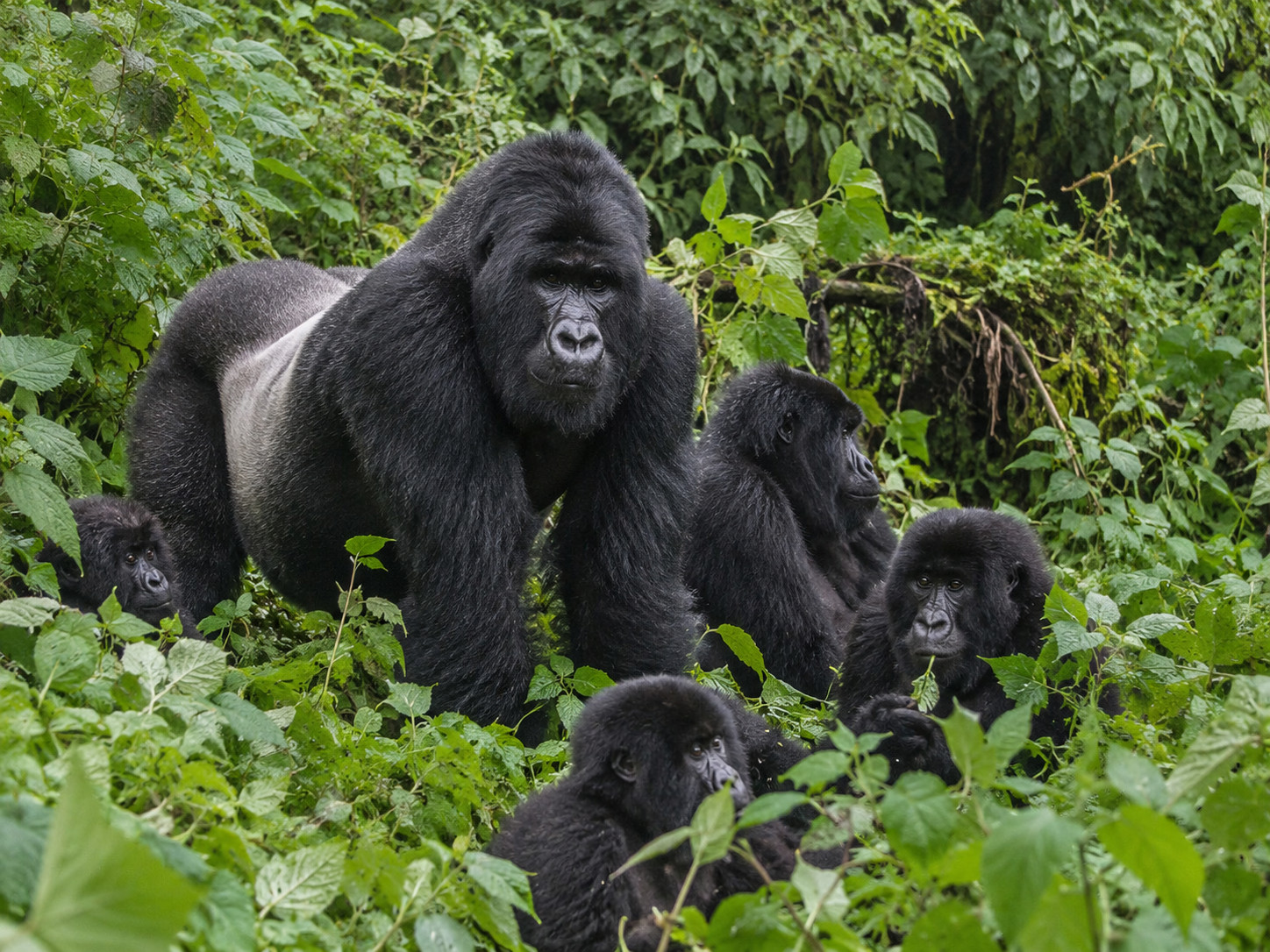
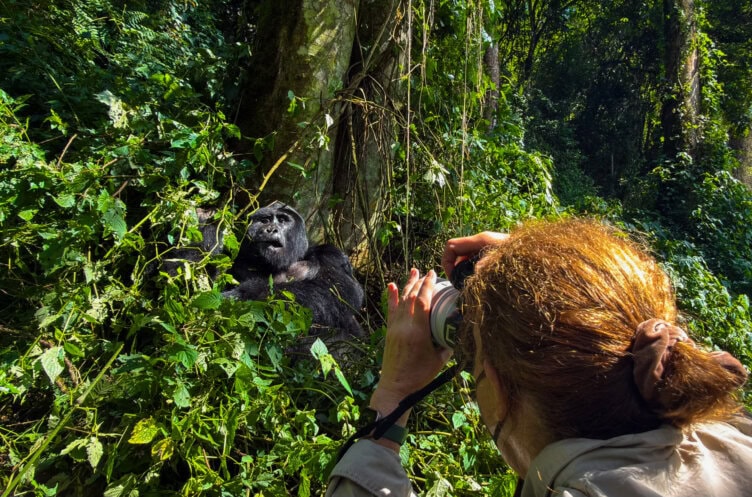
Plan gorilla trekking trips to Bwindi Impenetrable National Park, Mgahinga Gorilla National Park and Volcanoes National Park Rwanda with the right 4x4 transport, driver-guide and route advice. We support short trips from Kigali, longer Uganda wildlife combinations and custom self-drive safari routes.
Yes. Turiken Tours & Car Rentals supports Uganda-Rwanda cross-border car rental with route guidance, vehicle advice and border documentation support.
A Land Cruiser Prado, Safari Land Cruiser or other high-clearance 4x4 is recommended for Bwindi, Mgahinga and Volcanoes National Park routes, especially in rainy seasons.
Yes. You can book self-drive car hire, car rental with a professional driver, driver-guided safari vehicles, airport transfers and long-term rentals.
Yes. We advise on vehicle choice, routes, airport pickup timing, park access, gorilla trekking transport, accommodation location and Uganda-Rwanda safari combinations.
The car was in excellent condition and the team helped us choose the right route to Bwindi. Pickup was smooth and support was available on WhatsApp throughout.
Our driver-guide was professional, knowledgeable and patient. We combined car hire with gorilla trekking and Queen Elizabeth without stress.
Airport transfer and Rwanda cross-border arrangements were well coordinated. The Prado handled the route perfectly.
The vehicle was clean, strong and reliable. We appreciated the clear pricing and advice on fuel, park roads and driving times.
Excellent support before and during the trip. We would use Turiken again for Uganda and Rwanda travel.
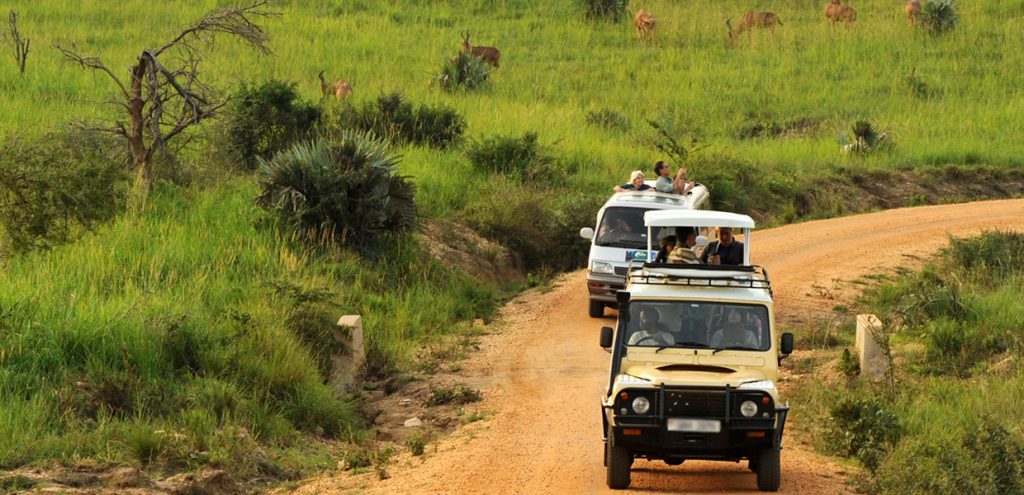
A detailed guide to choosing the right 4x4 safari vehicle for Uganda roads, gorilla trekking, wildlife parks, rooftop camping and self-drive adventures.
Read More →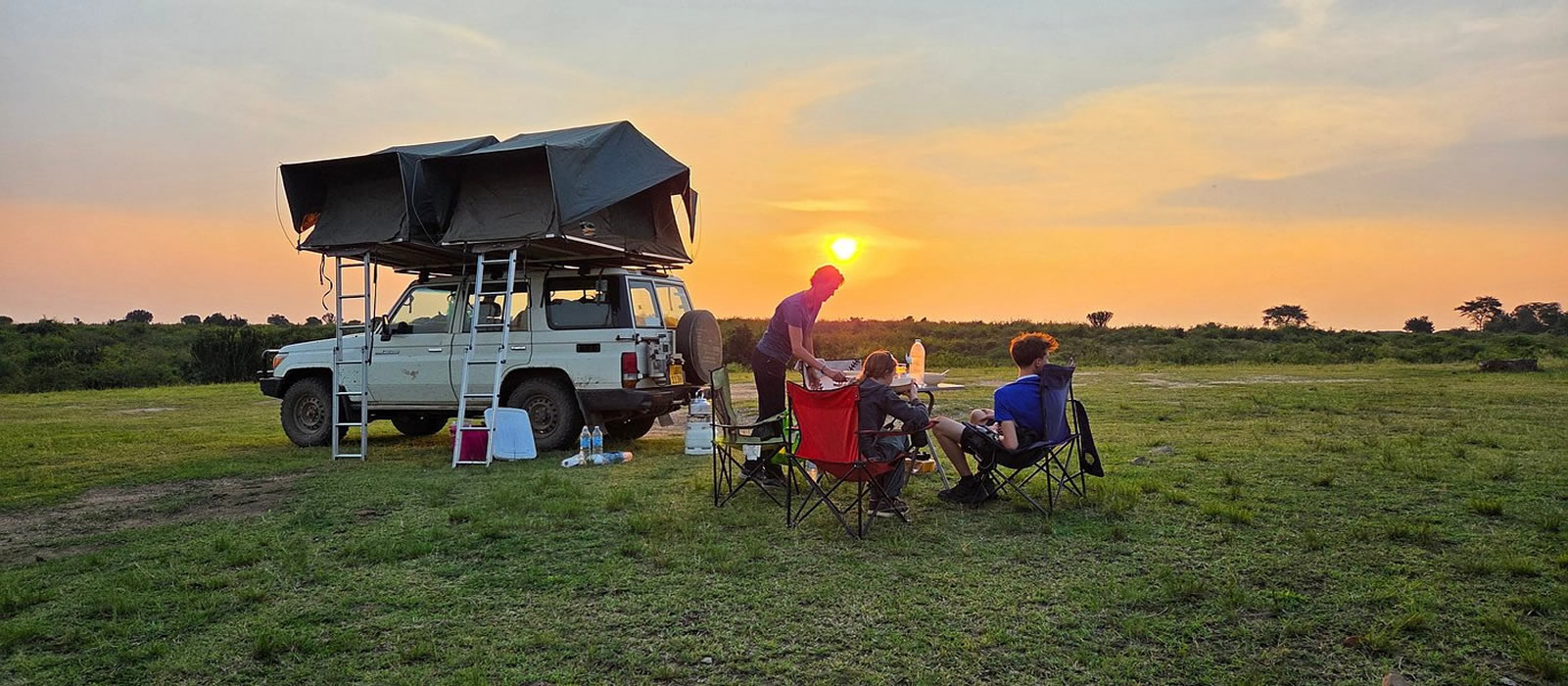
Practical advice for planning a self-drive trip from Kigali to Akagera, Volcanoes, Nyungwe, Lake Kivu and cross-border Uganda routes.
Read More →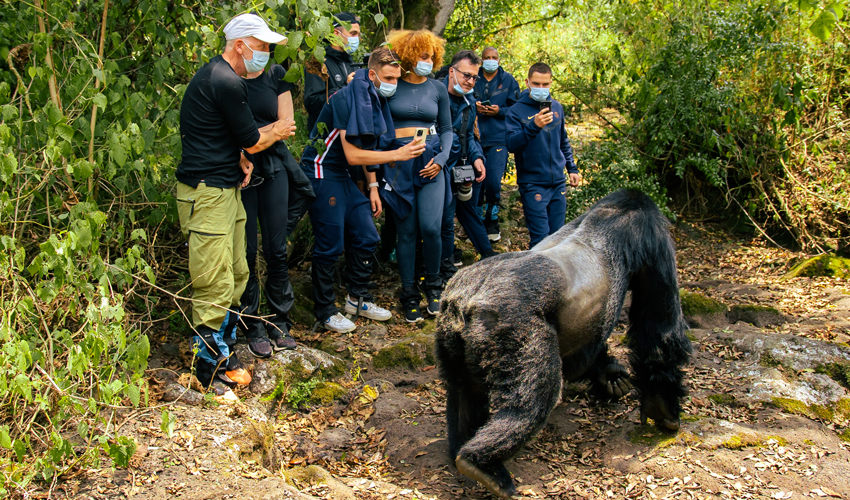
Permits, timing, transport, what to carry, accommodation, fitness, vehicle choice and Uganda vs Rwanda gorilla trekking planning advice.
Read More →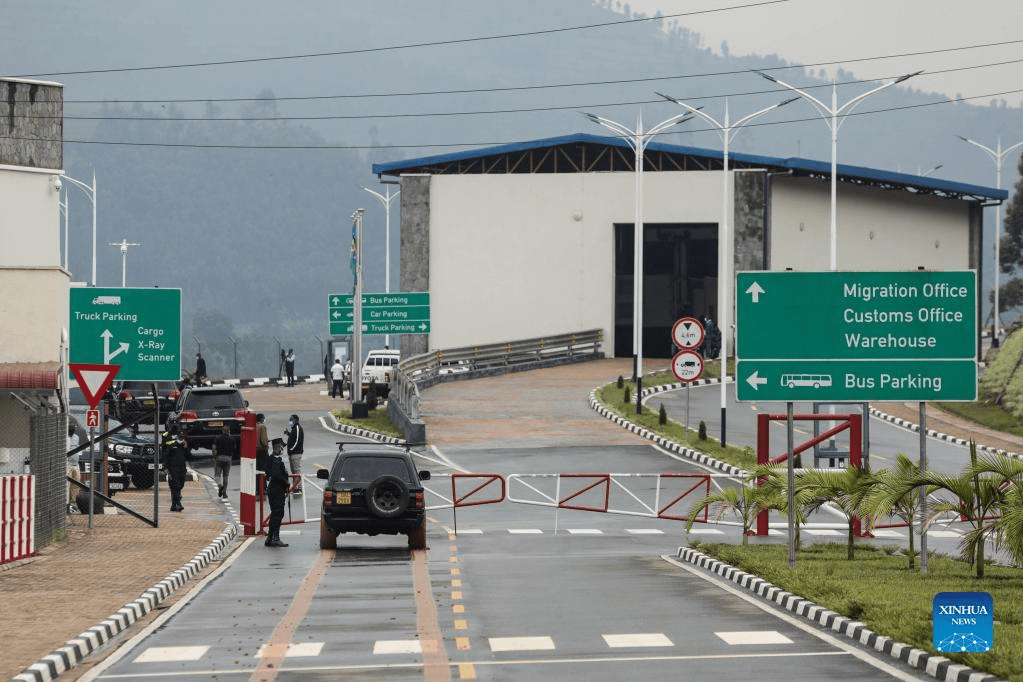
A practical guide to border points, paperwork, insurance, routes, vehicle choice and safe Uganda-Rwanda cross-border car hire.
Read More →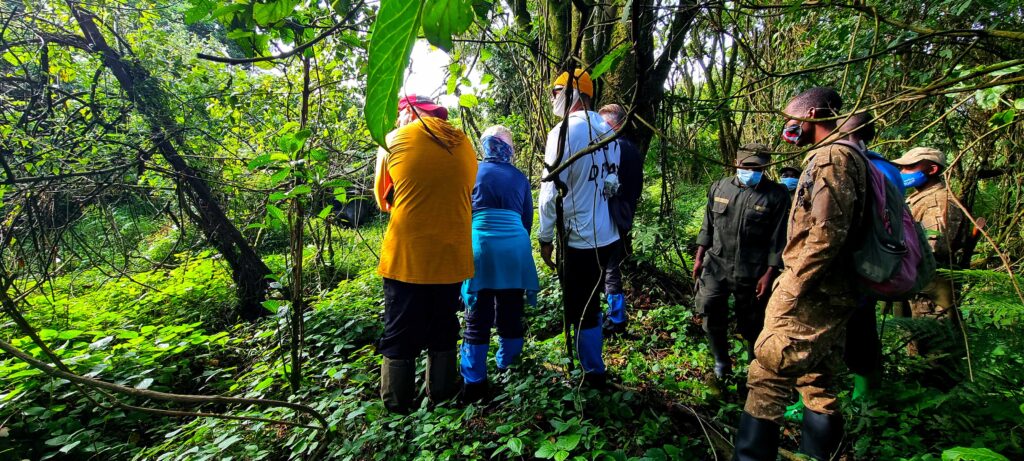
Understand dry seasons, green seasons, gorilla trekking conditions, wildlife viewing, birding months and safari photography timing.
Read More →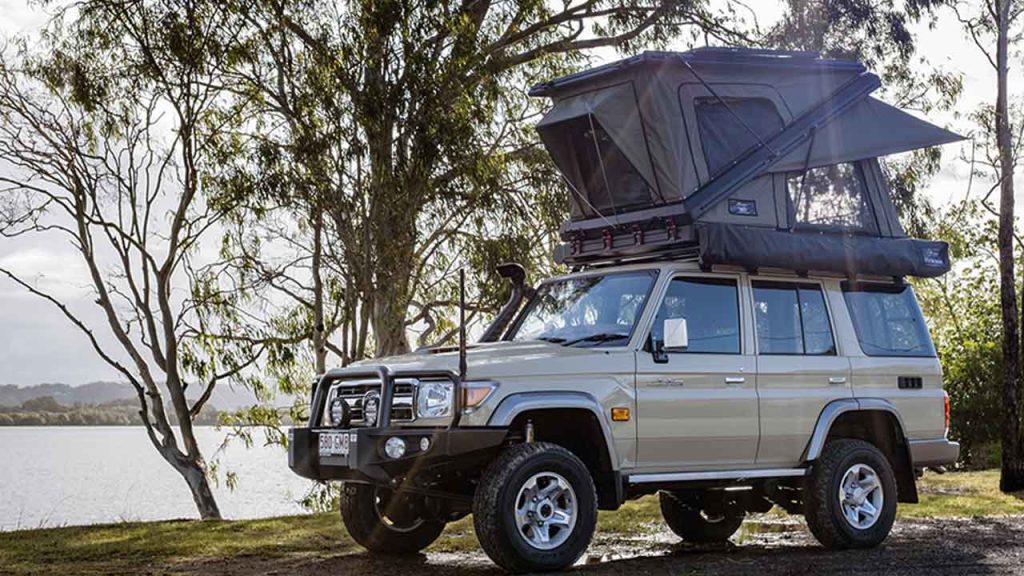
Learn when to choose a rooftop tent Land Cruiser, where camping works best and how to plan a comfortable overland road trip.
Read More →Get a free car rental or safari quote and let our team help you plan a safe, flexible journey.